MODERNISM AND NEW CANAAN
Modernism was a break from the past. A progressive global cultural movement with roots in post-WWI Europe that emphasized innovation and new thinking. Its influence in our lives remains profound, transforming art, architecture, literature, fashion, and the broader cultural values that shape our everyday lives.
In architecture, modernism was a reimagining of our built environment. It emerged in the late nineteenth and early twentieth centuries across Europe, when designers such as Walter Gropius, Ludwig Mies van der Rohe, and Le Corbusier began to reject ornament-heavy historical styles in favor of functional forms, embodying the Bauhaus mantra that "form follows function". These pioneers stripped away ornamentation to reveal the essence of “true” structure, embracing industrial materials such as steel and glass. It promoted simplistic aesthetics tied to social reform and democratic ideals for a burgeoning middle class.
The migration of these ideas to the United States accelerated through many Bauhaus leaders fleeing Nazi oppression. Walter Gropius, founder of the Bauhaus school in Germany which the Nazi regime had condemned as "degenerate" and "un-German" institution, accepted a job as a professor at Harvard's Graduate School of Design in 1937, where he upended the program by replacing Beaux-Arts classicism, that drew heavily on classical Greek and Roman architecture, with collaborative studios that emphasized user needs, simplicity, structural honesty, and industrial prefabrication. There, Gropius influenced the architects that would later be known as the Harvard Five - Eliot Noyes, John Johansen, Landis Gores, Philip Johnson, and Marcel Breuer - instilling modernism principles that prioritized open spatial flow, geometric simplicity, and integration of architecture with its environment.
In the late 1940’s, these five architects converged in New Canaan, Connecticut. A town close to New York City, New Canaan hadn't yet been fully suburbanized, offering a relaxed building code and opportunities to purchase wooded lots at reasonable prices. An ideal environment for curious architects to build experimental homes. These homes challenged conservative tastes and redefined the relationship to nature with features such as expansive glass walls, flat roofs, modular components, and seamless indoor-outdoor connections. Noyes was the first of the five to establish a home and practice in New Canaan, helping draw the other four visionaries to the area. Over the following three decades, the Harvard Five built more than 100 mid-century modern homes in New Canaan, creating the most concentrated collection of individually designed mid-century modern residences in the United States.
Yet New Canaan's appeal extended beyond affordability and space. Its location placed it at the heart of a dynamic era in post-WWII American corporate innovation. Influential companies were relocating their technology labs, regional headquarters, and executive offices from Manhattan to the neighboring suburbs of New Canaan at the time. Companies like General Electric and IBM. This corporate presence created an educated, affluent client base of executives who were receptive to architectural experimentation, both at work and at home. Eliot Noyes - a Harvard Five member, the first director of the Industrial Design Department at the Museum of Modern Art, and director of design for IBM - embodied this convergence. The result was a vibrant ecosystem in which modern residential and corporate architecture reinforced one another. Modernism had evolved from simply being an architectural style; it had become the shape of American postwar corporate success.

Mies, Detleft Mertins
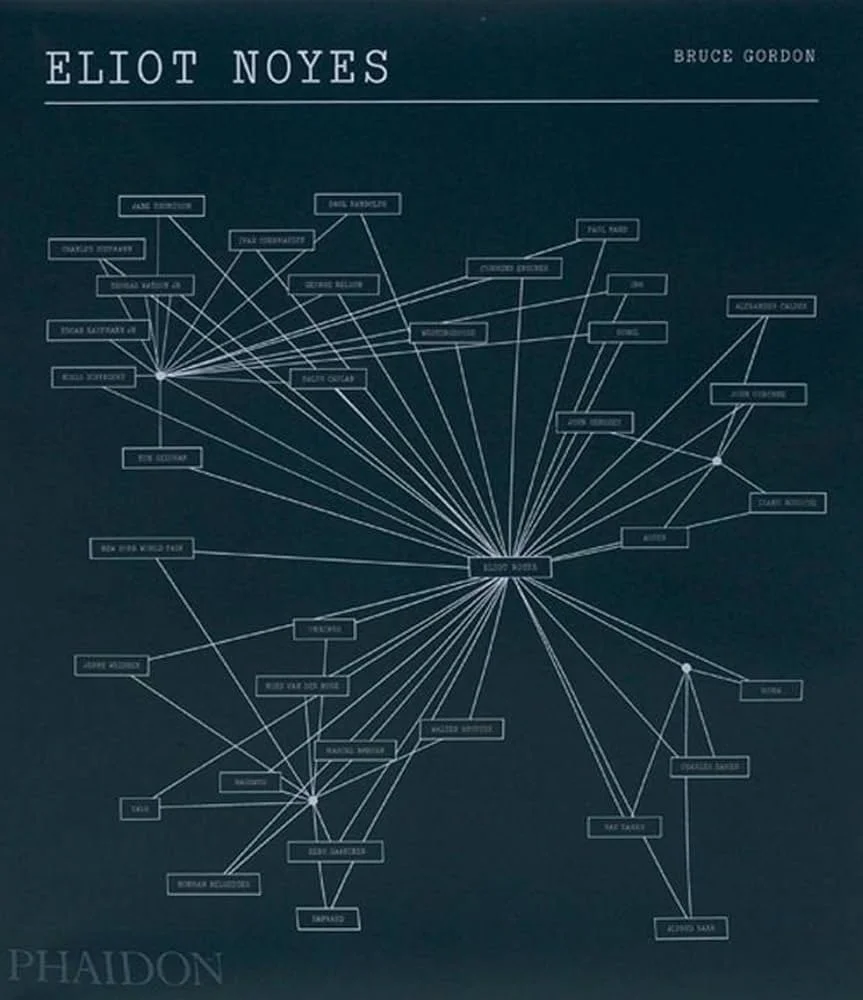
Eliot Noyes: A Pioneer of Design and Architecture in the Age of American Modernism, Gordon Bruce
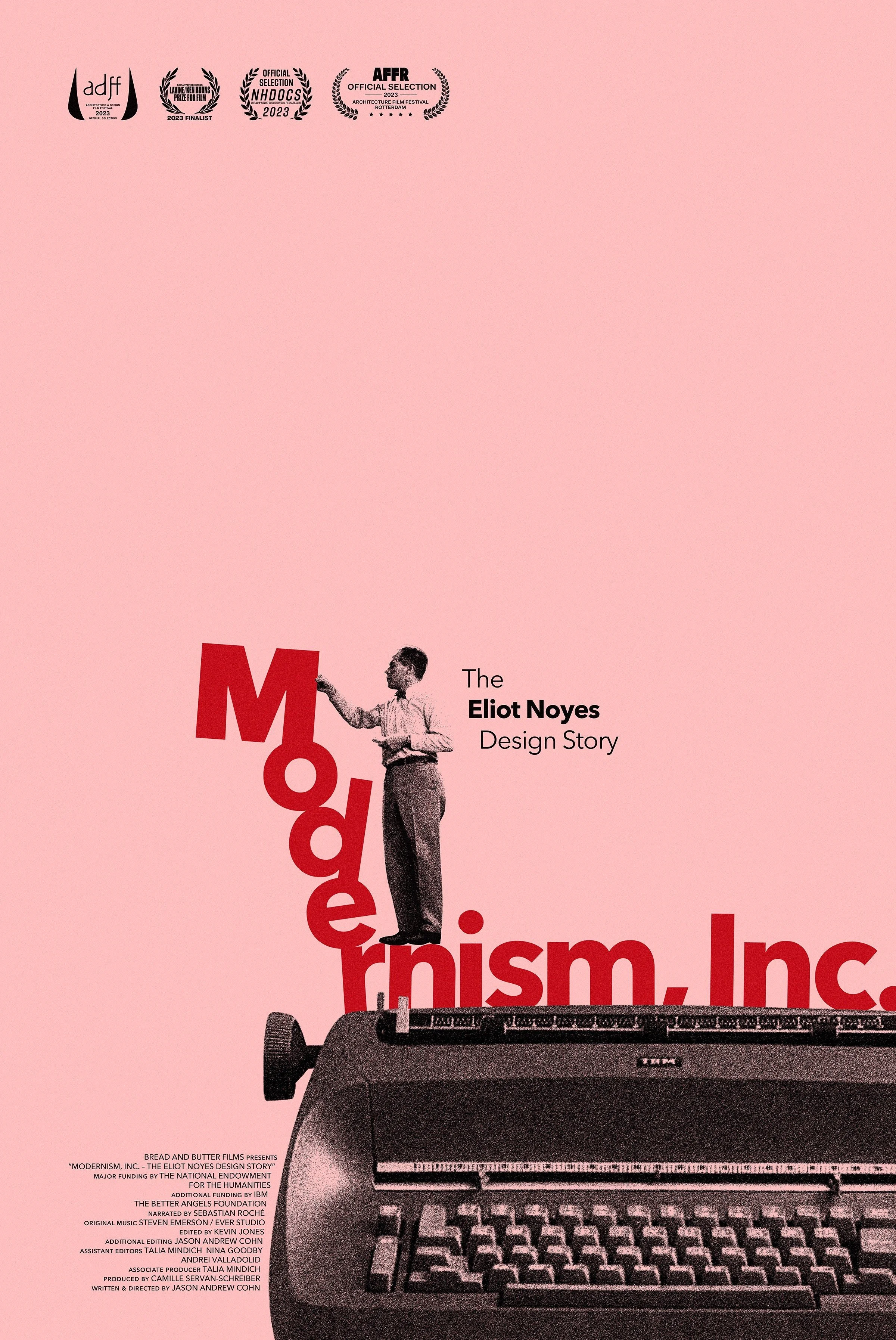
Modernism. Inc, Jason Cohen
Bauhaus 1919-1933, Magdalena Droste
Towards a New Architecture, Le Corbusier
Walter Gropius: An Illustrated Biography, Layla Daybelge & Magnus Englund
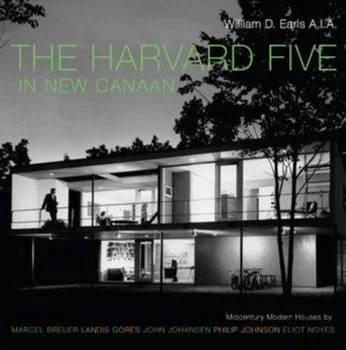
The Harvard Five in New Canaan, William D. Earle