RENOVATION
His homes evolved from understanding people’s needs. He evolved a simple space that nourished the delight of living - Gordon Bruce
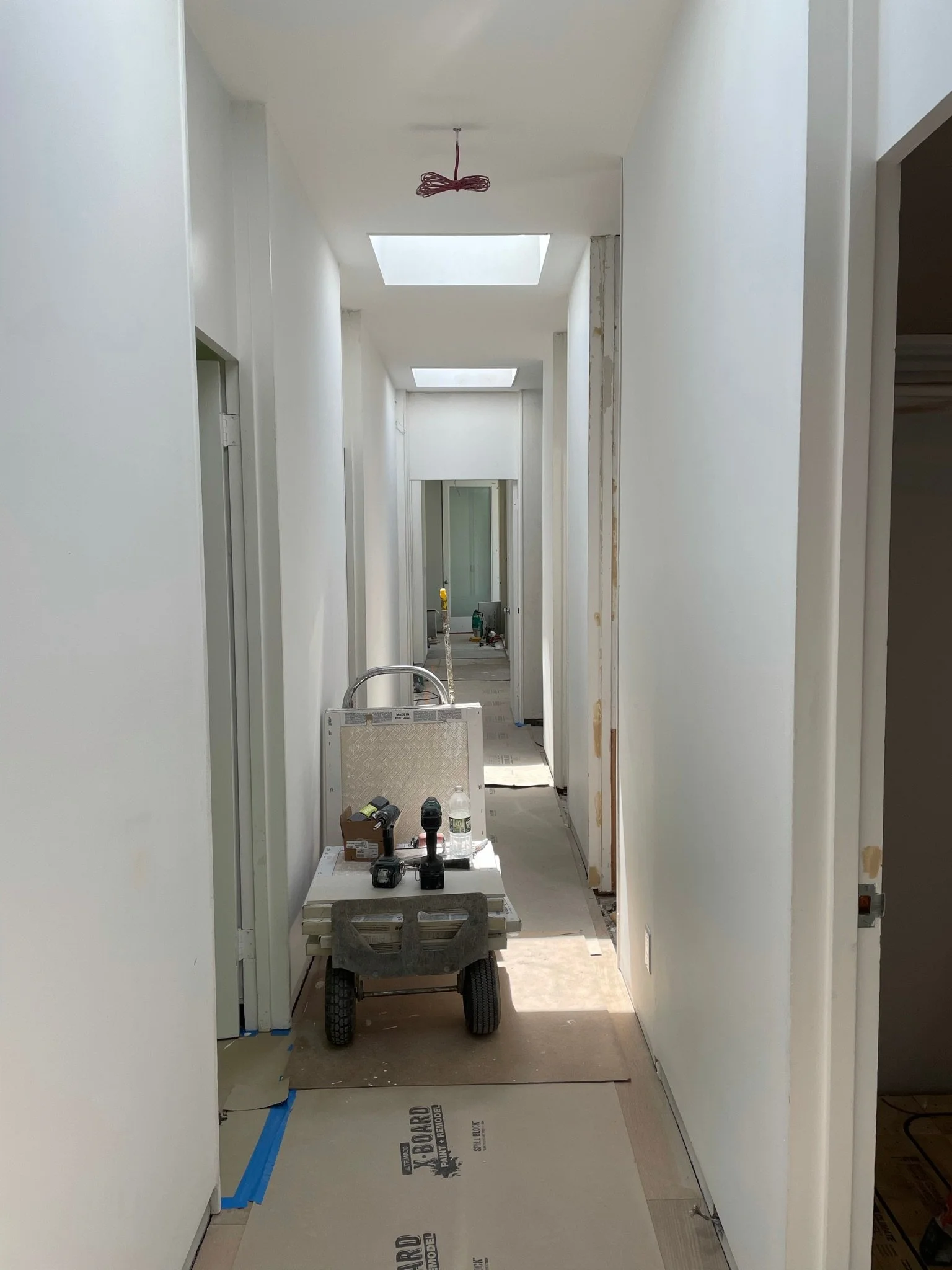
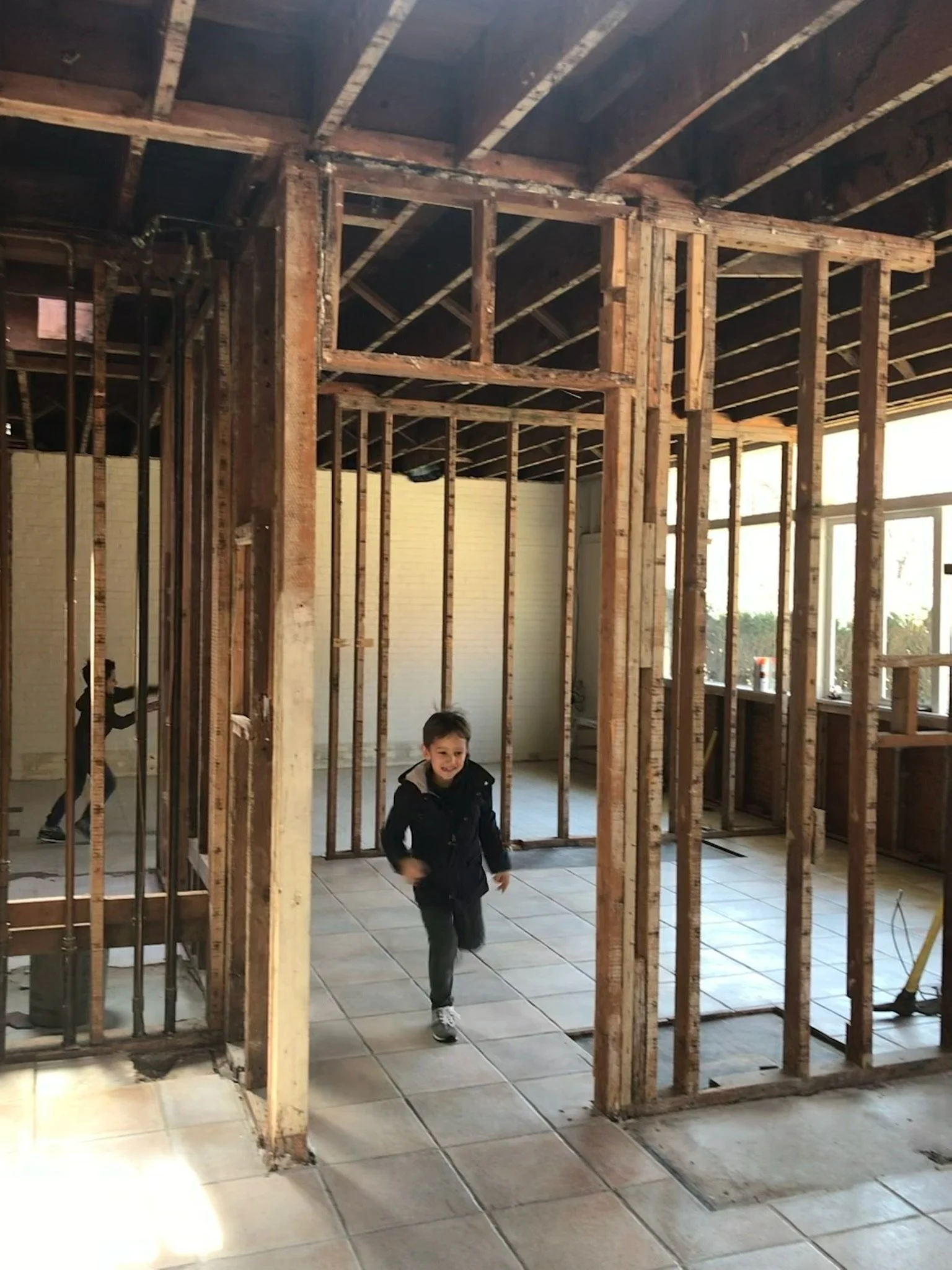
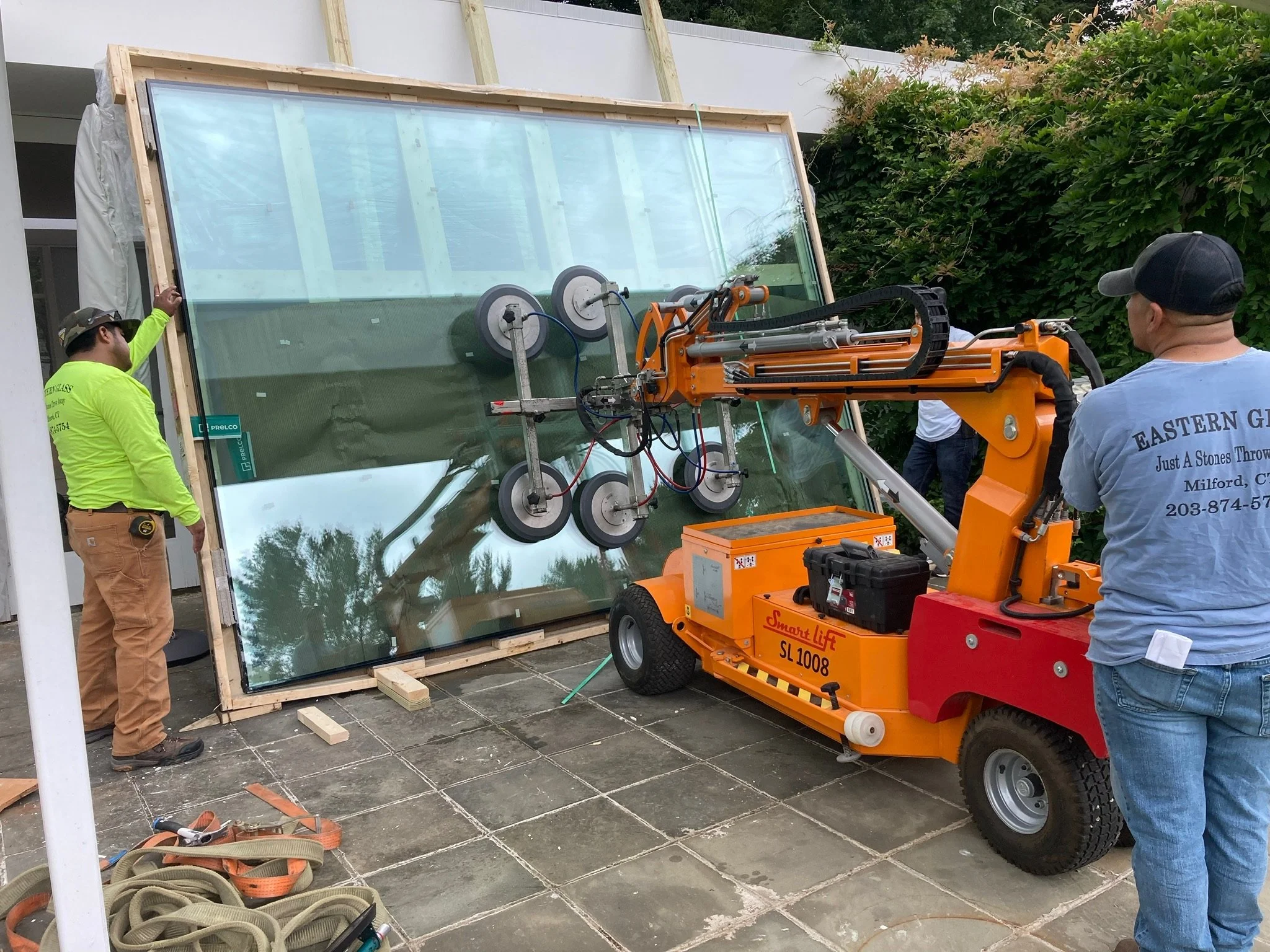
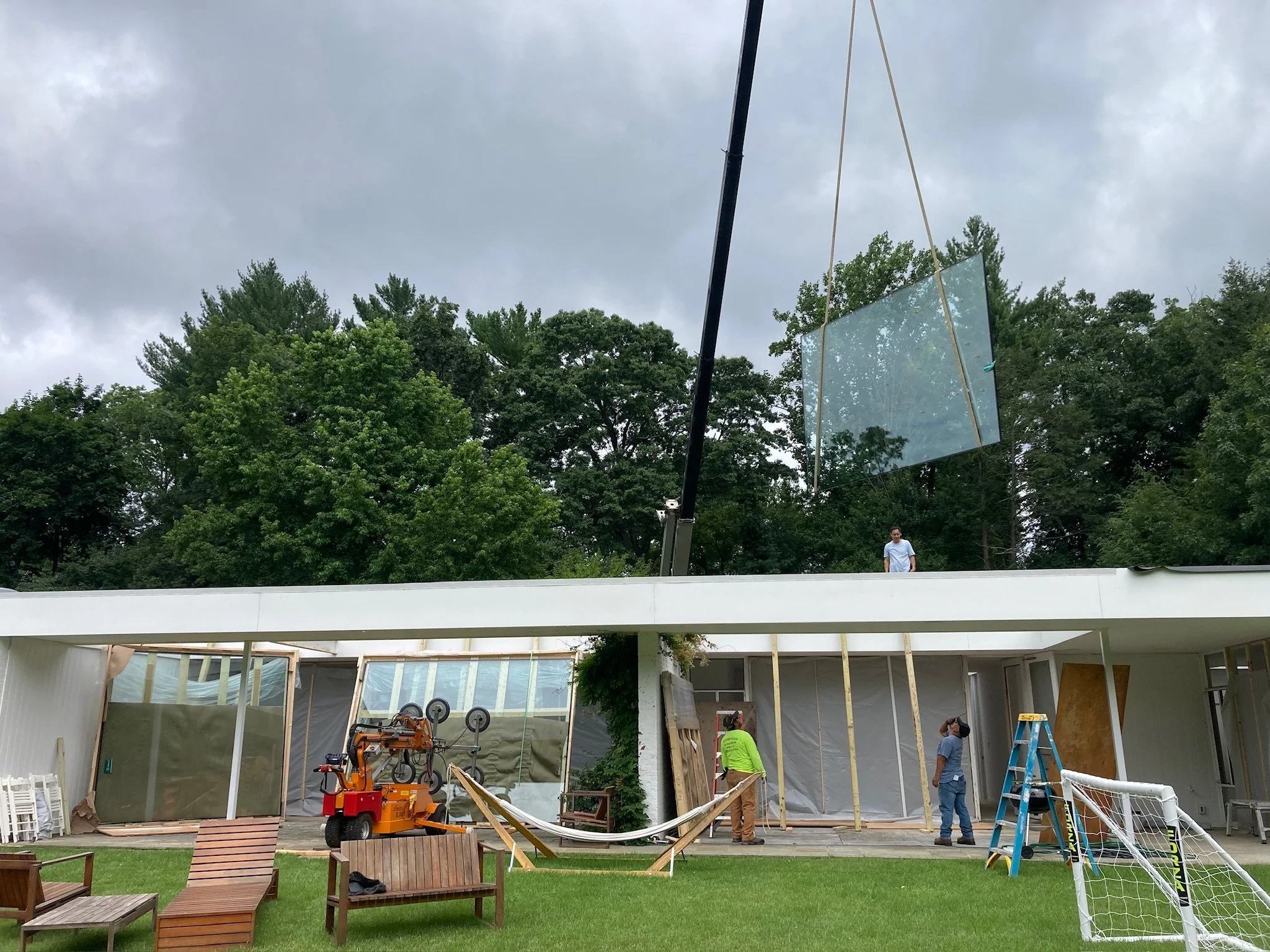
Eliot Noyes designed the Ault House in 1951 for a family of four, organizing the space to meet the family’s needs. The house's spatial organization also reflected the social norms of its time - not all of which translate well into the way we live today. As Fred Noyes, Eliot's son and an architect who heads the Eliot Noyes Center, shared with me: "Very important to remember that nothing stands still — and that we shouldn't be giving undue adulation to the architects back then without thinking of them as inventing to allow us to invent on top of them as appropriate to our time." For my family, with many traditions involving cooking and family meals, this meant replacing the former housekeeper's quarters in the service wing with a larger kitchen and dining room. In the process, opening the kitchen to the grounds by replacing smaller windows with full-length, floor-to-ceiling glass panels that matched those in the other living space of the house. It also meant removing the linen closet in the bedroom wing, turning the guest bedroom into a larger third children’s bedroom.
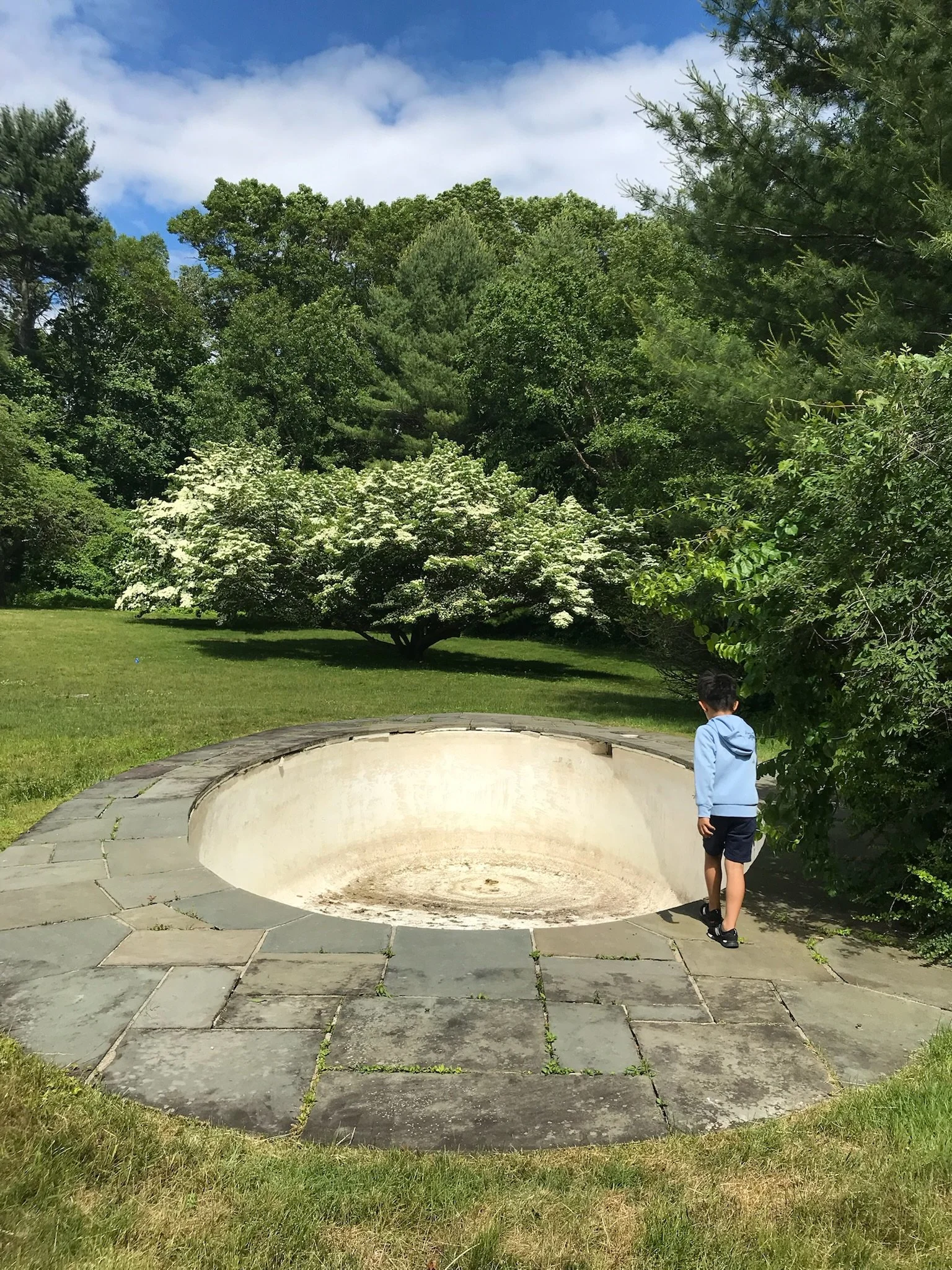
The remaining renovations focused on restoring the property's full functionality and making it livable in today's climate. The beautifully sculptural swimming pool had lain dormant for decades; bringing it back to life required digging a trench the length of the garden to install new electrical lines for the pump.
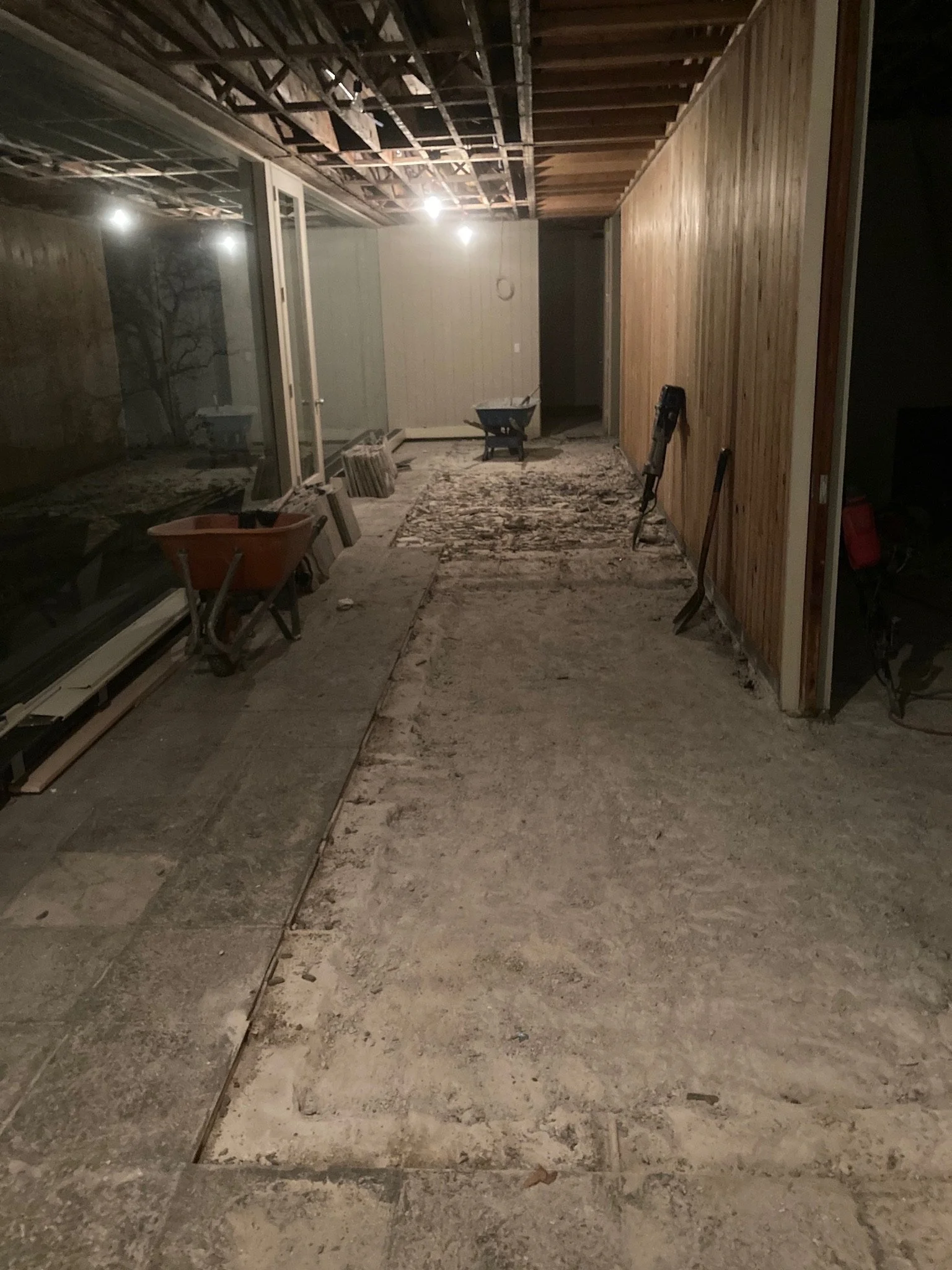
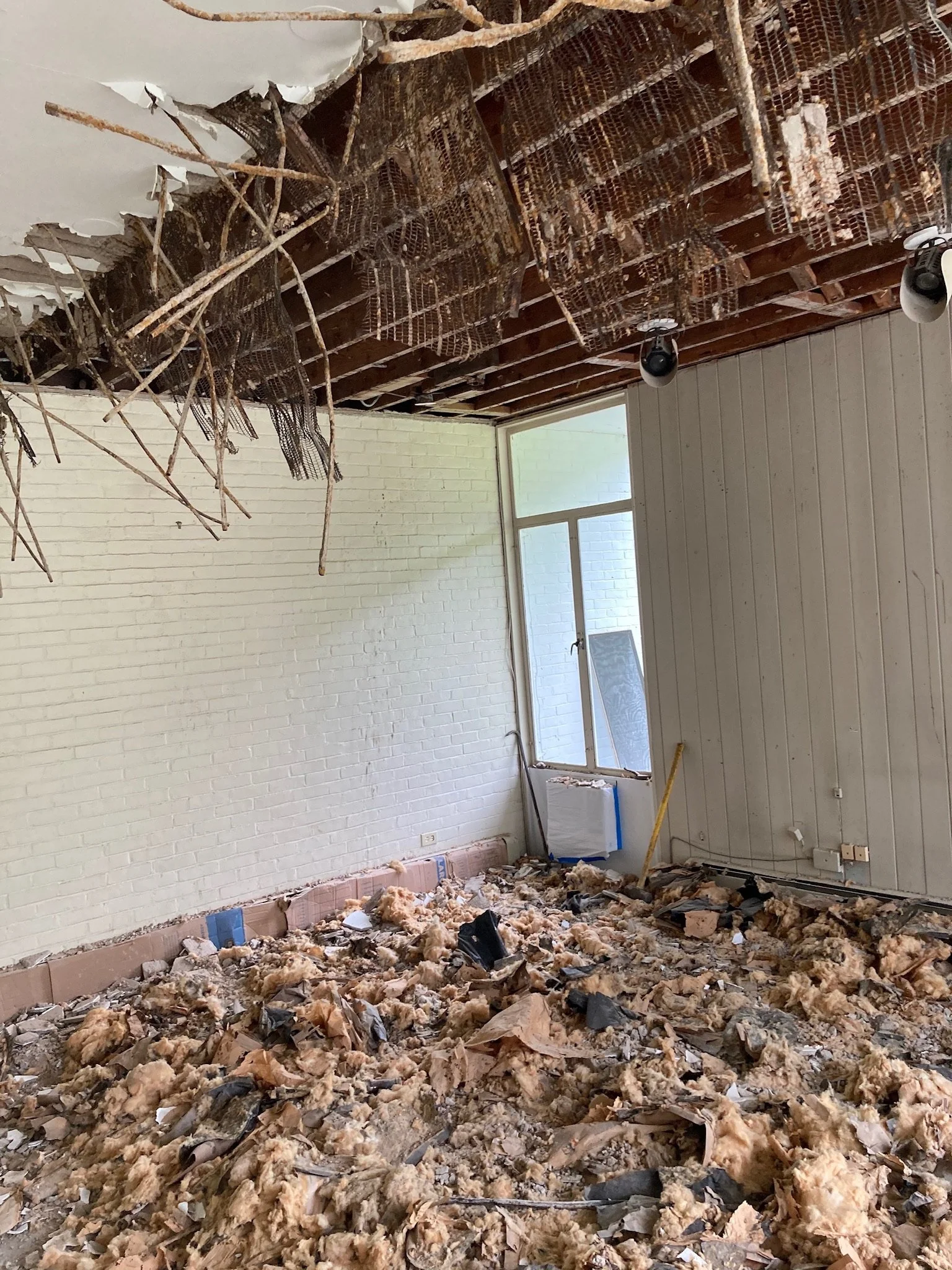
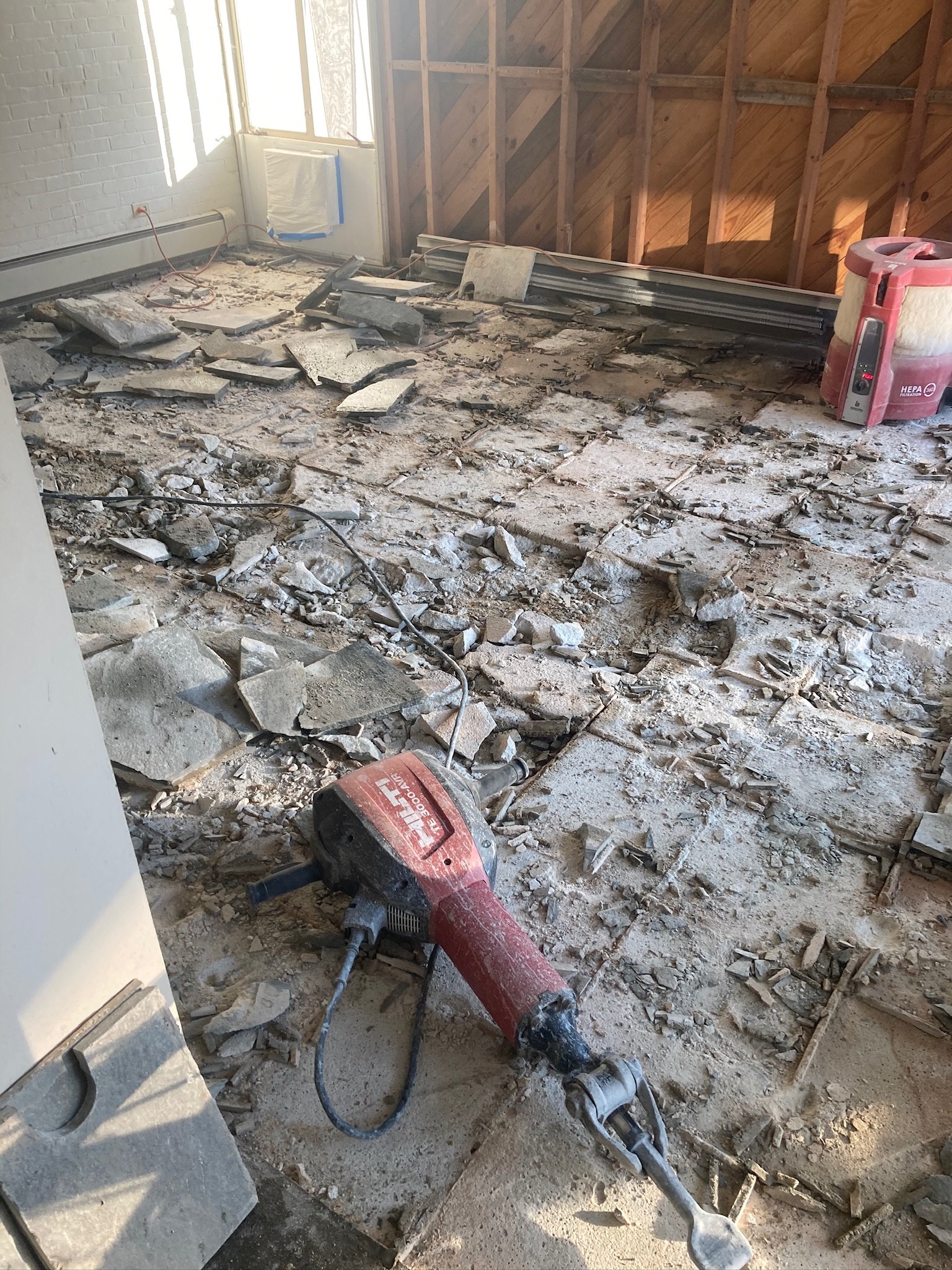
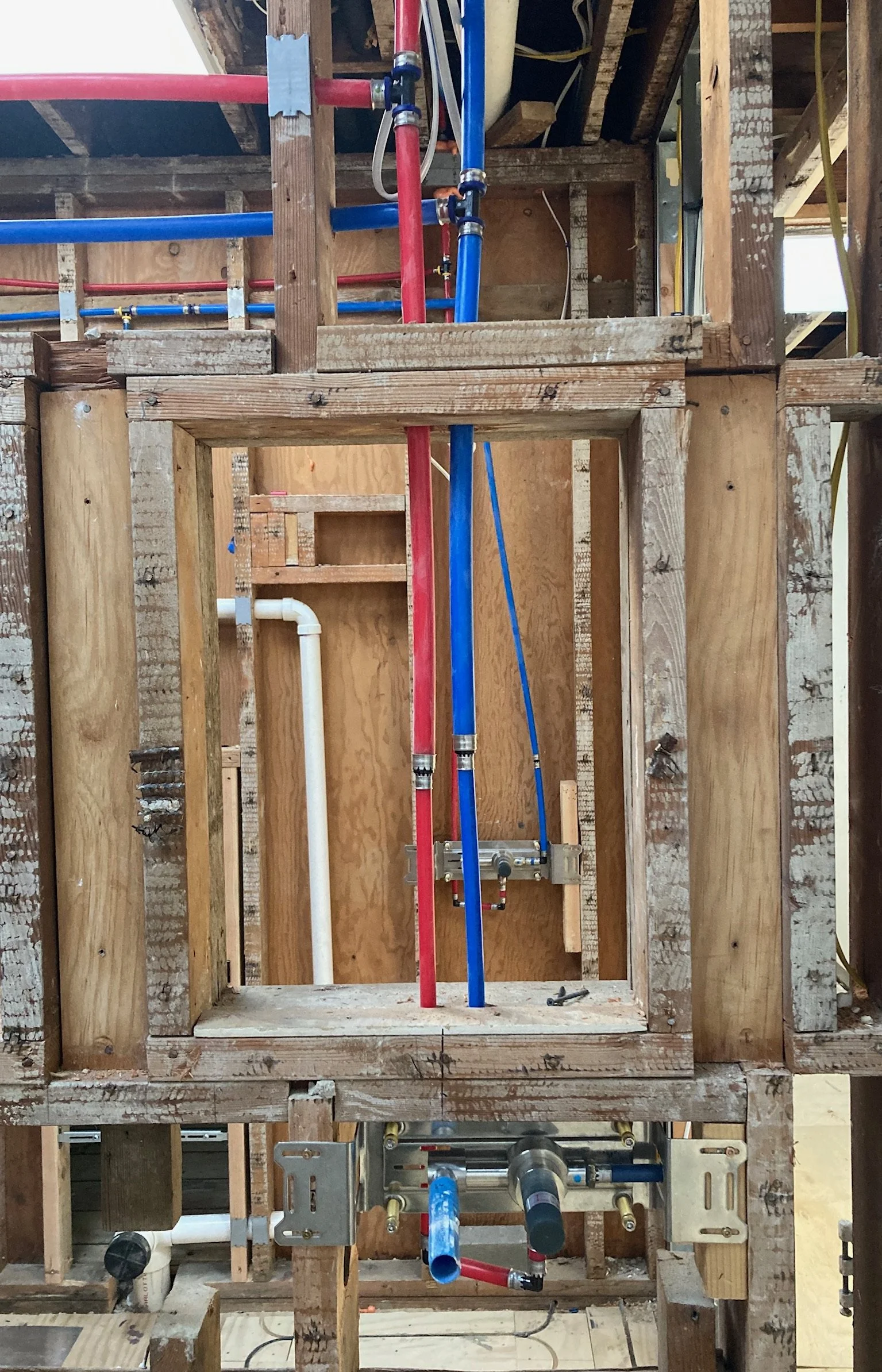
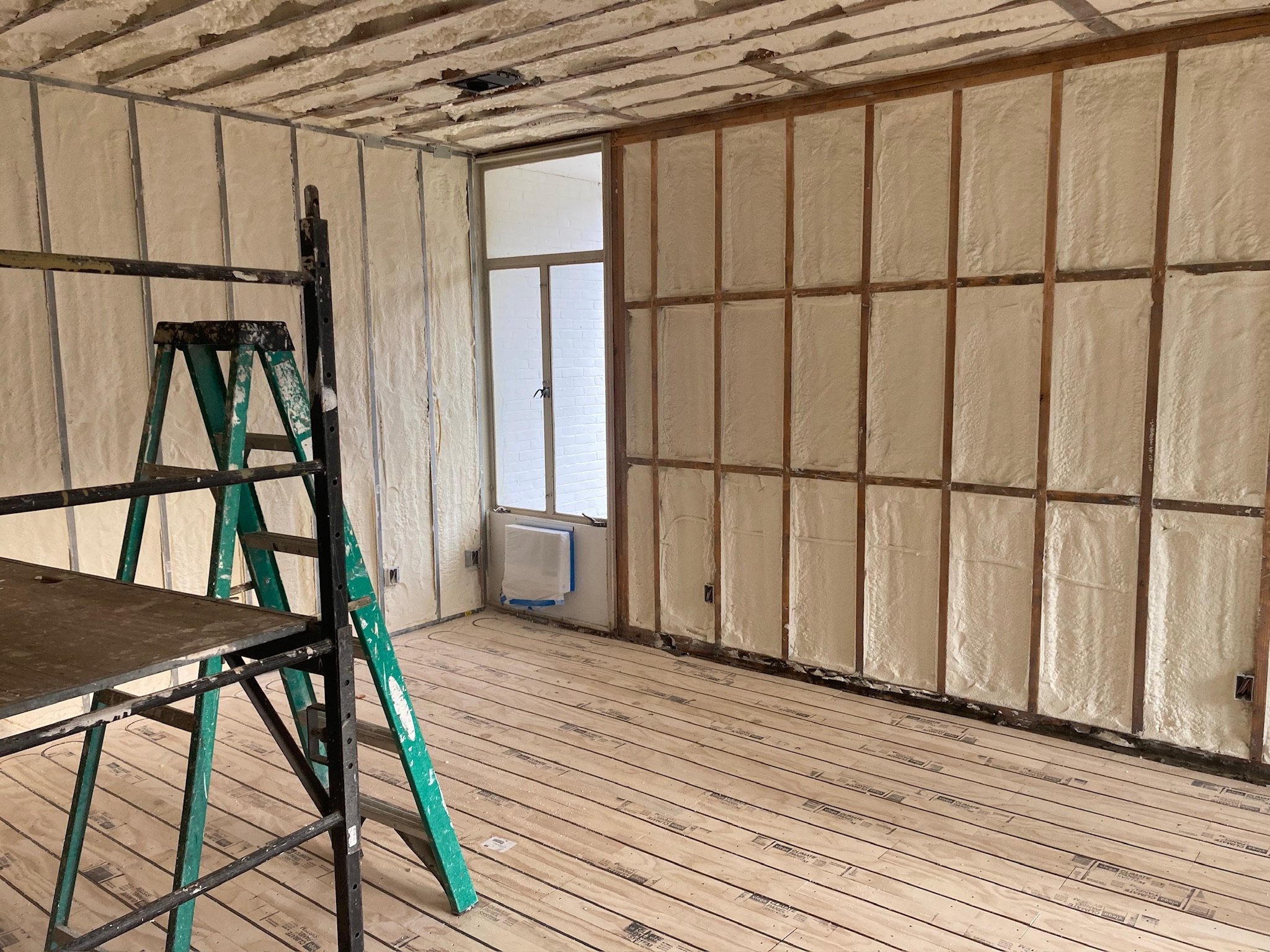
Though the house had been built with materials that were technologically advanced for the 1950s, the past seventy-five years had not been kind to them. There was no insulation in the walls, and the windows and roof leaked, making the house unbearable to live in during the colder months. The bluestone floor had deteriorated to the point that it would stick to our bare soles as my brothers and I ran through the house during our first summer there. A careful assessment of the building's condition led us to strip the original interior entirely and replace all mechanical systems.
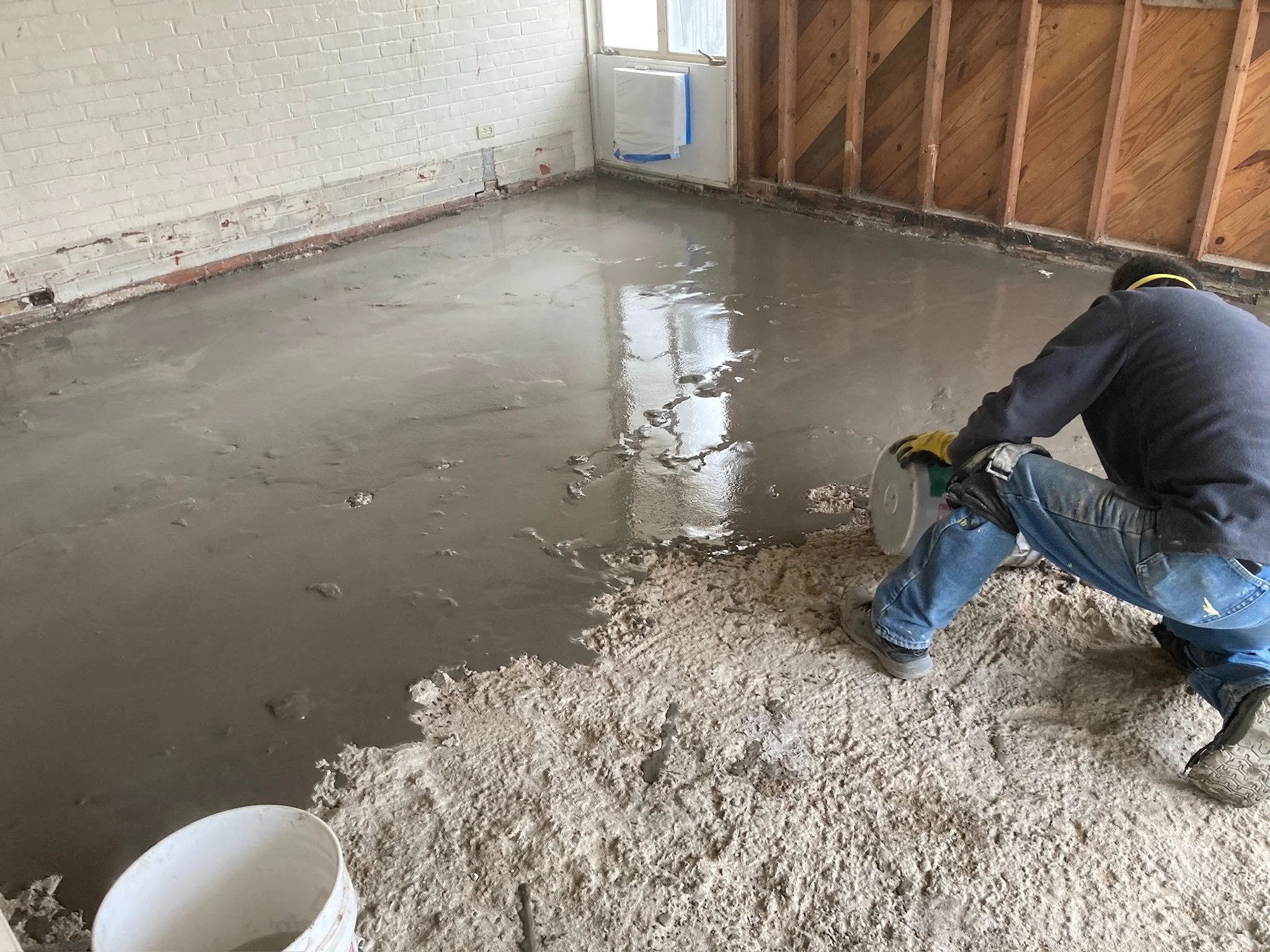
Original finishes that could be salvaged - the cabinetry and sliding solid wooden doors, in particular - were preserved. The most important decisions centered on one priority: preserving the skyscapes and flow of light from outdoors to indoors. Should we drop the ceilings to accommodate heating vents, altering the proportions of the glass walls? Or run the heating through the floor, which would mean removing the crumbling bluestone, installing radiant heat panels, and covering them with an oak floor, leaving the room heights and light flow intact? Given the thickness of the slabs, laying new bluestone back over the heat panels wasn't an option, as it would have reduced the room height and compromised the very proportions we were trying to protect. We chose light over the bluestone floor.